





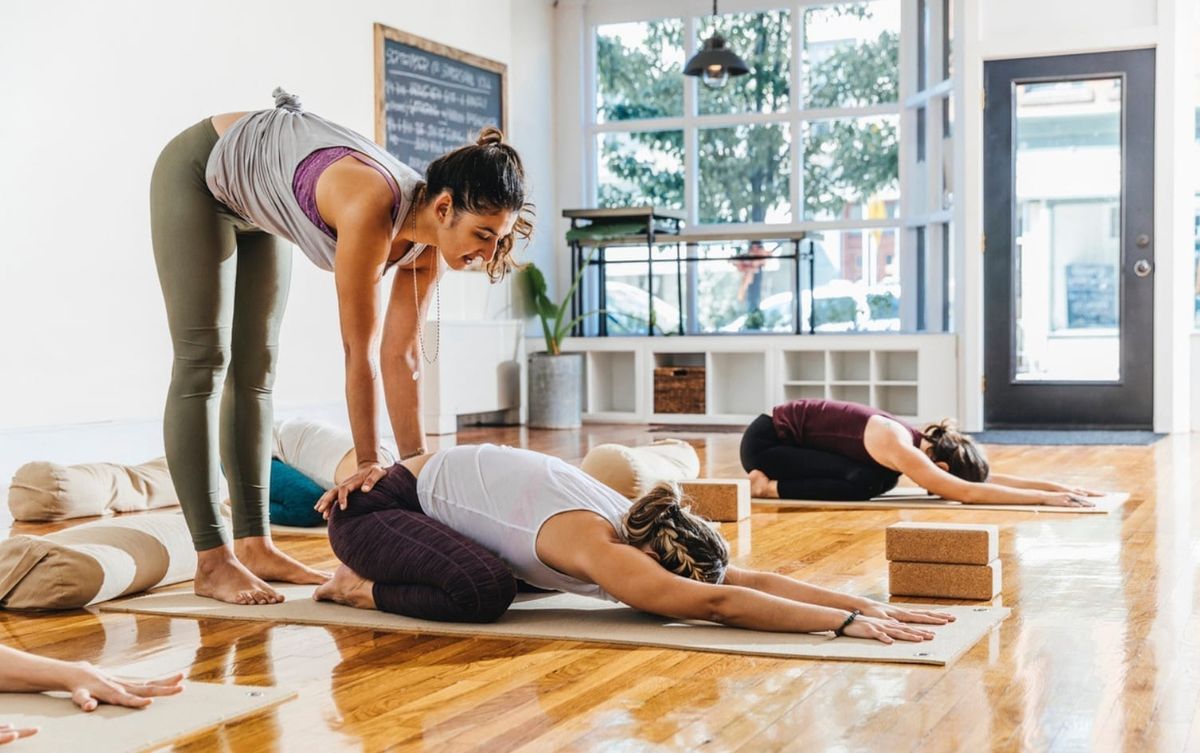
Starting a yoga practice is easy. Sticking with it is where most people struggle. Many begin with excitement, attend a few classes, or follow online videos for a week, only to lose motivation when life gets busy. The truth is, building a lasting yoga habit has less to do with willpower and more to do with creating a routine that fits naturally into your lifestyle.
The good news is that you don’t need to practice for an hour every day to experience the benefits of yoga. Even a few minutes of consistent practice can improve flexibility, reduce stress, increase energy, and help you develop a healthier body and mind.
Start Small and Stay Consistent
One of the biggest mistakes beginners make is setting unrealistic goals. Committing to a 60-minute practice every day can feel overwhelming, especially if you’re balancing work, family, and other responsibilities.
Instead, begin with just 10 to 15 minutes a day. A short morning stretch, a few simple poses after work, or a relaxing bedtime routine is enough to establish consistency. Once yoga becomes a regular part of your day, increasing the duration feels much easier.
Remember, consistency always beats intensity when building long-term habits.
Create a Dedicated Space
Having a designated place for your yoga practice makes it easier to stay committed. You don’t need a large studio or expensive equipment. A quiet corner with enough room for a yoga mat is all you need.
Keep your mat, blocks, or strap visible rather than tucked away in a closet. Seeing your yoga space every day serves as a gentle reminder to practice and removes barriers that might prevent you from getting started.
Choose a Time That Works for You
There is no “perfect” time to practice yoga. Some people enjoy energizing morning sessions, while others prefer unwinding in the evening after a busy day.
Experiment with different times and choose the one that feels most natural. The key is practicing at roughly the same time each day so it becomes part of your routine, just like brushing your teeth or having breakfast.
Focus on Progress, Not Perfection
Every yoga journey is unique. Comparing yourself to experienced practitioners or social media influencers can quickly lead to frustration.
Instead of worrying about touching your toes or mastering advanced poses, celebrate small improvements. Better balance, improved posture, reduced stiffness, or simply feeling calmer after each session are all meaningful signs of progress.
Yoga is about developing awareness and connection with your body—not achieving perfection.
Make It Enjoyable
You’re more likely to stick with yoga if you genuinely enjoy your practice. Explore different yoga styles such as Hatha, Vinyasa, Yin, Restorative, or Power Yoga until you find one that matches your personality and goals.
You can also make your sessions more inviting by playing calming music, lighting a candle, or practicing outdoors when the weather allows. The more enjoyable your routine becomes, the easier it is to maintain.
Be Flexible With Your Routine
Life doesn’t always go according to plan. Missing a day—or even a week—doesn’t mean you’ve failed.
Rather than giving up, simply return to your practice without guilt. Building healthy habits isn’t about being perfect every single day; it’s about returning consistently over time. A short five-minute session is far better than skipping yoga because you don’t have time for a full workout.